Mark Patterson
About This Episode
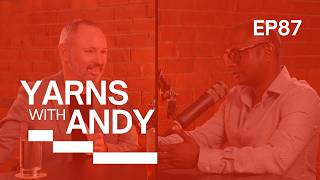
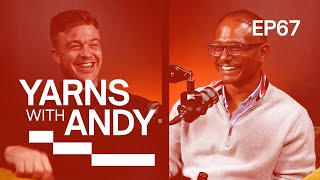
The New Zealand First episode of the election series, and the first sitting minister on the podcast since Chris Penk. Mark Patterson is introduced as Minister for Rural Communities and Associate Minister of Agriculture and of Regional Development, a sheep and beef farmer from Lawrence in South Otago who came into politics through Federated Farmers and red-meat-sector reform. His frame is regional. The Regional Infrastructure Fund puts money into flood protection, irrigation, water storage and energy. NZ First will campaign on "essentially the Tasmanian model", with government leading design, feasibility, consenting, funding and delivery of water storage. The Tukituki scheme in Hawke's Bay is his worked example. On the pipeline he concedes peaks and troughs cannot be removed entirely, but says there is "growing consensus across the parliament" that government should smooth them. He makes a pointed case for maintenance over mega-roads while acknowledging he is "part of the government that's investing in it." He is cautious on PPPs, "a bit old school" about hospitals, and his answer to the brain drain is that people leave for opportunity, not because they dislike the country.
Key Topics Discussed
- Background. Sheep and beef farmer from Lawrence, South Otago; Federated Farmers Otago president; stood for NZ First in 2017 after involvement with National at electorate level, frustrated by the reception of red-meat reform and concerned about "foreign ownership of our critical industries".
- Regional Infrastructure Fund. Infrastructure, flood protection, irrigation and water storage, and energy, "some fairly big plays into the geothermal space", plus some Māori economic development. He describes it as a key NZ First policy at the last election, and says a regional infrastructure policy and a regional fund or bond will be campaigned on again.
- Pipeline predictability. "Well, I don't think you can totally take the the peaks and troughs out of it because it's closely tied to economic cycles and interest rates." The government made "a deliberate effort" to ensure projects were consented and funded before announcement, to stop "wild promises with no follow through". He concedes his side cancelled projects it was not keen on, naming Auckland Light Rail. Asked whether politicians should be barred from campaigning on projects: "No, I wouldn't support that at all. I mean, you've got to stand for something."
- "Ballast" is Andy's word. Andy offers the metaphor; Mark agrees, "Yeah, be a ballast." Recorded so the image is not credited to him.
- Water storage, "the Tasmanian model". Government-led delivery where there is community demand. Tukituki in Hawke's Bay is the worked example: an $18 million loan for design, a build of around $700 million ("or thereabouts"), about 25,000 hectares ("potentially") and, in his figure, a $640 million a year boost to Hawke's Bay GDP. He names "probably a dozen or so" dams at various stages, and the question of whether New Zealand still has the skills to build them.
- Flood protection. "70 odd" schemes co-funded with councils; tranches 1 and 2 funded, 3 and 4 before ministers. Andy puts to him that he had called councils "too little, too late"; Mark denies it: "I didn't say I said it was a good example of them being proactive".
- Rural bridges against mega-roads. "we've got a lot of old bridges", around a thousand in Southland, he says. On the northern expressway PPP: "we're just going to have to have a pretty grown up conversation about how many of these mega roads we can do, as opposed to maintaining and fortifying what we've got already." Then: "I'm part of the government that's investing in it. So you can't say no."
- RMA replacement and gravel. The new planning rules will make things like gravel extraction from rivers "much easier", replacing a "cumbersome bureaucratic process".
- Procurement preferences, wool and timber. A government-building policy requiring wool to be considered above value thresholds (a new building over $9 million, "if I'm not wrong"; refurbishments over $100,000), which he would like to extend to timber. His health claims for wool are his own and unverified. Andy raises the Australian-approved product list and observes that steel is the default.
- PPPs, cautious, not against. "Well, we haven't done them well in the past", citing Transmission Gully; "I didn't say we're against them"; PPPs have done "pretty well" for some schools and courthouses; but "I'm a bit old school around things like hospitals".
- Brain drain. "people don't leave because they don't like New Zealand. They leave because they can see better opportunities elsewhere." He says Australia's tax changes have made it less attractive and that "we've got to be prepared to fight to get our people back". Andy's front-line observation: two or three people from every site he visits have left for Australia.
- Vision. Asked for a 2050 vision, he answers economically: growth, higher wages, resource wealth, and an NZ First sovereign wealth fund "like the Tamar Sheik [Temasek] in Singapore and, you know, the Nordic countries".
Notable Quotes
- "Well, I don't think you can totally take the the peaks and troughs out of it because it's closely tied to economic cycles and interest rates.", Mark Patterson (07:29)
- "No, I wouldn't support that at all. I mean, you've got to stand for something.", Mark Patterson, on barring politicians from campaigning on projects (09:38)
- "we're just going to have to have a pretty grown up conversation about how many of these mega roads we can do, as opposed to maintaining and fortifying what we've got already.", Mark Patterson (22:58)
- "I'm part of the government that's investing in it. So you can't say no.", Mark Patterson (23:44)
- "people don't leave because they don't like New Zealand. They leave because they can see better opportunities elsewhere.", Mark Patterson (46:03)
Guest Background
Mark Patterson is a sheep and beef farmer from Lawrence and South Otago. He became involved in farmer advocacy, including as president of Federated Farmers Otago, and in efforts to reform the red meat sector. He was involved with the National Party at electorate level before NZ First asked him to stand in 2017. He is introduced as Minister for Rural Communities and Associate Minister of Agriculture and of Regional Development; Andy says Kieran McAnulty handed him the Rural Communities portfolio in 2023. He has two teenage daughters.